Table of Contents
ToggleThe Johnson County Home and Remodeling Show returns in 2026, bringing together hundreds of contractors, designers, suppliers, and product specialists under one roof. For homeowners planning a kitchen overhaul, bathroom upgrade, or exterior facelift, this event offers face-to-face access to the pros who’ll do the work, and the chance to compare bids, spot trends, and score show-exclusive discounts. Whether you’re a seasoned DIYer hunting for specialty tools or a first-time renovator trying to figure out where to start, walking the floor beats hours of online research. This guide breaks down what you’ll encounter, who’s worth your time, and how to leave with actionable plans instead of a tote bag full of business cards.
Key Takeaways
- The Johnson County Home and Remodeling Show brings hundreds of contractors, designers, and suppliers together, offering face-to-face access to professionals who can provide free consultations and help you compare bids.
- Come prepared with rough measurements, existing photos, and a prioritized project list focused on your top two or three renovations to avoid decision fatigue and maximize your time on the show floor.
- Look for show-exclusive discounts of 10–20% off labor, free upgrades, and waived consultation fees, but avoid signing contracts on-site; instead, review materials at home and verify contractor references and reviews.
- Attend seminars on permitting, energy efficiency, and project planning to understand Johnson County’s regulatory requirements and timelines, helping you communicate better with contractors.
- Scout for factory-direct suppliers and consider bundling projects with one contractor to save 15–30%, and ask about federal tax credits and local utility rebates that can offset remodeling costs.
- Visit during Sunday mornings or weekday evenings for lighter crowds and more one-on-one time with exhibitors, and wear comfortable shoes since you’ll log miles walking between booths.
What to Expect at the Johnson County Home and Remodeling Show
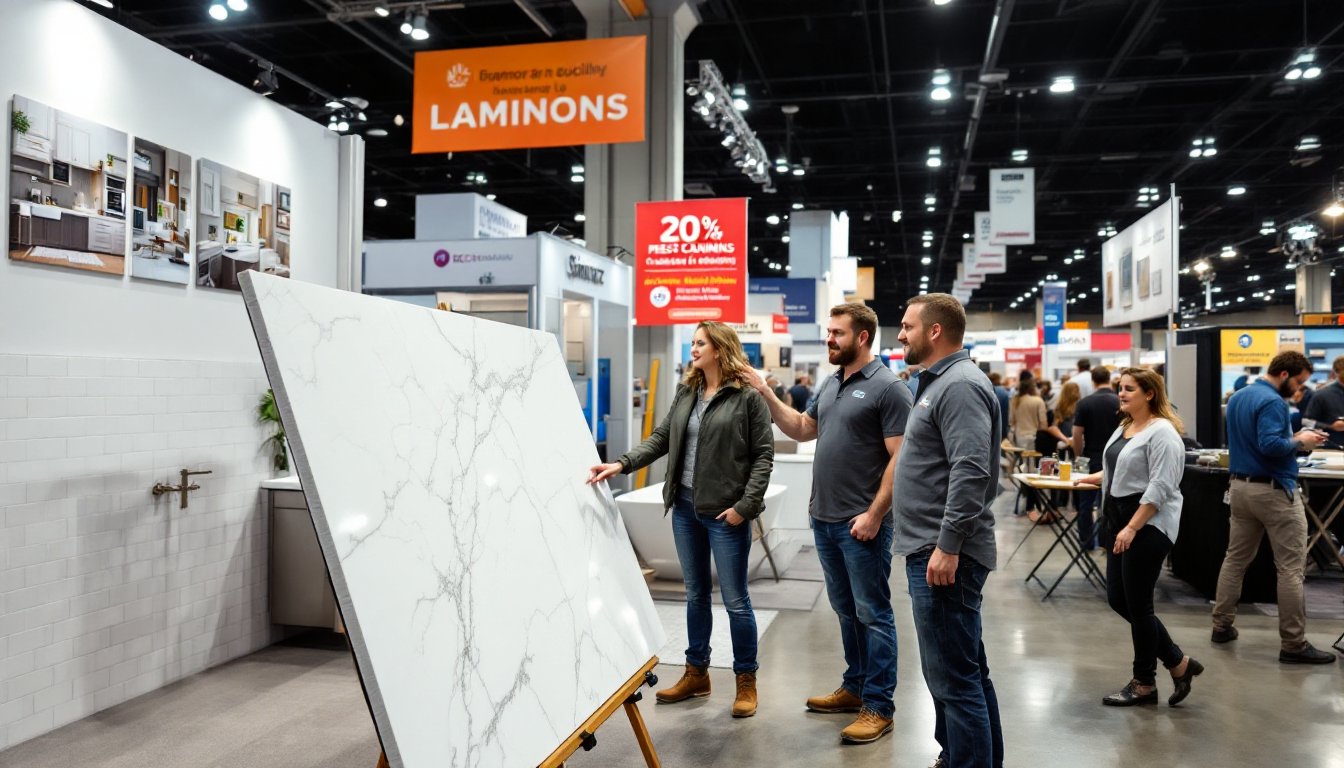
The show floor typically spans multiple exhibition halls, organized by trade: general contractors, kitchen and bath specialists, flooring vendors, window and door manufacturers, HVAC companies, landscaping crews, and niche suppliers like custom closet installers or radiant floor heating reps. Expect booth setups that range from simple banner displays to full-scale mock kitchens and bathroom vignettes you can walk through.
Most exhibitors offer free consultations on-site. Bring rough measurements of the space you’re remodeling, length, width, ceiling height, and window/door locations. Contractors can sketch preliminary layouts, and product reps can estimate material quantities. Some booths host live demonstrations: tile setting, cabinet installation, spray foam insulation, or deck-building techniques. These sessions run on a schedule, usually posted at the entrance or on the event app.
Attendees will also find seminar stages with rotating speakers. Topics range from navigating local permitting (Johnson County requires permits for structural work, electrical, plumbing, and HVAC alterations) to energy-efficient retrofit strategies and universal design principles. Sessions typically run 30–45 minutes. Arrive early for popular slots: seating fills fast.
Plan for crowds on Saturday afternoons. Sunday mornings and weekday evenings (if the show runs multiple days) see lighter foot traffic, giving you more one-on-one time with exhibitors. Wear comfortable shoes, you’ll log miles between booths. Bring a notepad or use your phone’s camera to snap booth numbers, product spec sheets, and business cards. Many vendors upload digital portfolios to the show’s website afterward, but not all.
Top Exhibitors and Services You’ll Find
Contractors and Remodeling Experts
General contractors and specialized remodelers dominate the exhibitor list. Look for companies that display recent project photos with visible details: finished joinery, tile patterns, trim work. Ask about their license status (Kansas requires contractors performing work over $2,000 to be registered), insurance coverage (general liability and workers’ comp), and whether they pull permits themselves or expect you to handle it.
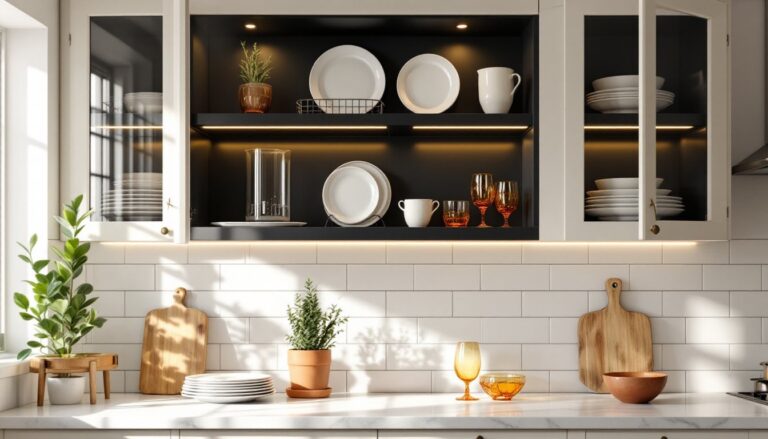
Kitchen and bath remodelers often bring cabinet samples, countertop slabs (quartz, granite, butcher block), and fixture catalogs. Expect to see frameless (European-style) and face-frame cabinetry options. Ask about box construction, plywood boxes outlast particleboard, especially in moisture-prone bathrooms. For countertops, quartz requires no sealing and resists staining better than natural stone, but some homeowners prefer granite’s unique veining.
Flooring specialists showcase engineered hardwood, luxury vinyl plank (LVP), tile, and carpet. LVP has gained ground for its water resistance and DIY-friendly click-lock installation, though it can’t be refinished like solid hardwood. Tile vendors may display large-format porcelain (12×24-inch or larger), which minimizes grout lines and speeds installation. When comparing contractor bids, ask whether underlayment, transitions, and removal of old flooring are included or billed separately.
Exterior contractors, roofers, siding installers, window and door companies, bring samples of architectural shingles, fiber cement siding, vinyl, and replacement window units. For windows, check the U-factor (lower is more energy-efficient) and SHGC (solar heat gain coefficient). In Johnson County’s climate, a U-factor below 0.30 and an SHGC around 0.30 balance winter heat retention and summer cooling.
Interior Design and Decor Inspiration
Interior designers and decorators set up vignettes to showcase current trends: warm neutrals, mixed metal finishes, statement lighting, and textured wall treatments (shiplap, board-and-batten, peel-and-stick wallpaper). These booths are useful for homeowners who’ve handled the structural work but need help pulling together finishes, paint colors, and furnishings.
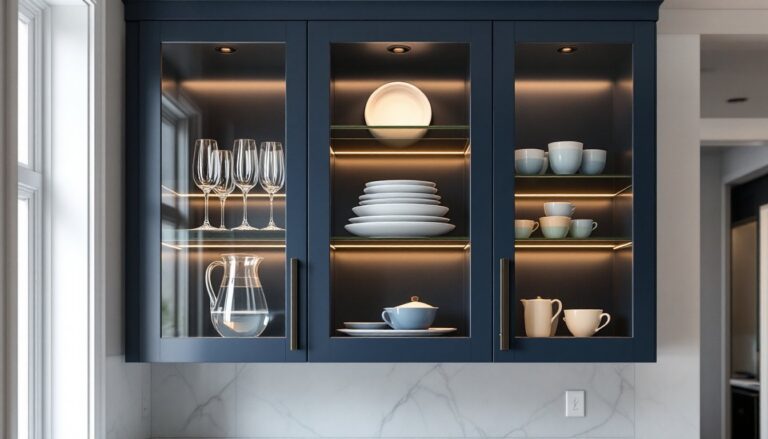
Lighting showrooms display pendant fixtures, recessed LED downlights, and under-cabinet task lighting. LED technology has matured: look for fixtures rated at 2700K (warm white) for living spaces and 3000K (neutral white) for kitchens and baths. Dimmable drivers add flexibility. Some vendors offer smart home integration, ask whether their products work with existing systems (Lutron, Control4, or open protocols like Zigbee).
Custom closet and storage companies bring modular shelving systems, drawer inserts, and hanging solutions. Solid wood or plywood construction holds up better than wire shelving or MDF. If you’re planning a pantry or mudroom overhaul, measure your space beforehand: most vendors provide free design consultations and can generate 3D renderings on-site.
How to Make the Most of Your Visit
Arrive with a prioritized project list. Rank your renovations by urgency, budget, and whether they require permits. Focus your time on exhibitors aligned with your top two or three projects. Trying to absorb information on roofing, flooring, and landscaping in one visit leads to decision fatigue.
Bring a floor plan or rough sketch of the room you’re remodeling. Include dimensions, existing electrical and plumbing locations, and any load-bearing walls (if you know them). Contractors and designers can offer more targeted advice when they see your layout. Snap photos of existing conditions, current countertops, flooring, fixtures, so vendors can match finishes or suggest compatible replacements.
Collect bids and quotes, but don’t sign contracts on the show floor. Excitement and time pressure can cloud judgment. Take materials home, review them, and verify each contractor’s references and online reviews. Most reputable pros expect you to do this. Be wary of exhibitors pushing same-day deposits for “show-only” pricing: legitimate deals usually extend a few days post-event.
Attend at least one seminar. Even if you’re hiring out the work, understanding the process, how permits flow through Johnson County’s planning department, what inspections to expect, typical timelines, helps you communicate with contractors and spot red flags. Detailed guides on project planning can supplement what you learn at the show.
Wear layers. Exhibition halls fluctuate between warm (crowded) and cool (near loading doors). Bring a reusable water bottle: hydration helps you stay focused. Leave the kids at home if possible, booths are packed with samples and tools, and kids get bored fast. Some shows offer childcare or activity zones, but don’t count on it.
Budget-Friendly Ideas and Deals to Look For
Many exhibitors offer show-exclusive discounts: 10–20% off labor, free upgrades (thicker carpet pad, upgraded cabinet hardware), or waived consultation fees. Ask each vendor directly: deals aren’t always posted. Some offers require booking within 30 days, so factor that into your timeline.
Look for factory-direct suppliers, countertop fabricators, cabinet manufacturers, window makers, who sell and install without a middleman markup. Cutting out the retailer can save 15–30%, though you’ll coordinate delivery and installation yourself. Make sure you understand lead times: custom cabinets can take 8–12 weeks, and delays cascade through your project schedule.
Consider bundling projects with one contractor. A company that handles both your deck rebuild and patio installation may discount the combined job. Ask about off-season pricing, too. Contractors often reduce rates in late fall and winter when demand slows.
DIYers should scout tool vendors and material suppliers. Some exhibitors sell specialty tools at show pricing, tile saws, miter saws, laser levels, paint sprayers, and offer hands-on demos so you can test before buying. Flooring and tile vendors sometimes liquidate overstock or discontinued lines at steep discounts. Verify you’re getting enough square footage: order 10% extra to cover cuts and future repairs.
Don’t overlook financing options. Some contractors partner with lenders offering promotional rates, zero-percent interest for 12–18 months, deferred payments, but read the terms. Miss a payment, and retroactive interest can erase your savings. Compare those offers against a home equity line of credit (HELOC) or personal loan.
Energy-efficiency rebates and tax credits can offset costs. Ask HVAC and window vendors whether their products qualify for federal tax credits (the Inflation Reduction Act extended credits for high-efficiency heat pumps, insulation, and windows through 2032). Local utility companies sometimes offer rebates for LED lighting, programmable thermostats, and water heaters. Stack these incentives to stretch your budget further.
Conclusion
The Johnson County Home and Remodeling Show condenses months of research into a weekend. Walk the floor with a clear plan, ask tough questions, and leave with vetted contractors and realistic budgets. Home improvement is easier when you’ve shaken hands with the people who’ll hang your drywall, tile your shower, or install your deck, and when you’ve seen their work up close instead of scrolling through stock photos online.