Table of Contents
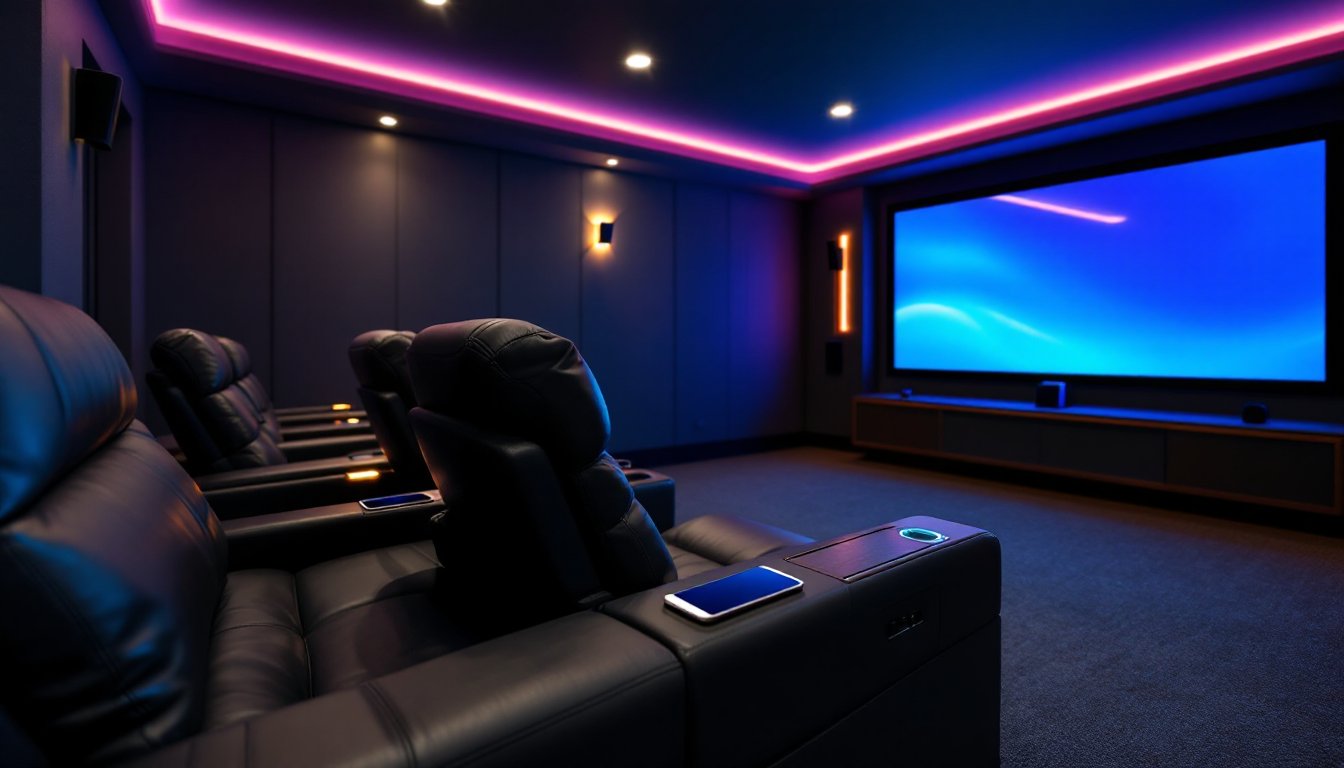
ToggleForget the basic sofa-and-coffee-table setup. Modern home theater seating has evolved into a category of purpose-built furniture that delivers cinema-level comfort without requiring a commercial-grade installation. Whether you’re converting a spare bedroom, finishing a basement, or dedicating a media room, the right seating makes the difference between a functional space and one your family actually uses. Today’s options blend ergonomic design, smart technology, and durable materials, but the sheer range of configurations and features can overwhelm first-time buyers. This guide breaks down what sets modern theater seats apart, which features matter most, and how to choose seating that fits both your room and your viewing habits.
Key Takeaways
- Modern home theater seating features reinforced hardwood frames, electric dual-motor reclining systems, and high-density acoustic foam that standard furniture cannot match, delivering cinema-level comfort at home.
- Power recline with zero-wall design, adjustable headrests, and practical storage solutions like USB charging and lighted cup holders are essential features that impact daily use and comfort during extended viewing sessions.
- Choose your configuration based on room dimensions—single recliners for compact spaces, three-seat curved rows for dedicated theaters, and stadium seating risers for larger rooms with 16+ feet of depth.
- Top-grain leather offers superior durability and stain resistance with a 20–40% premium, while performance fabrics with 100,000+ Martindale ratings provide commercial-grade durability at a lower cost.
- Plan for delivery and professional setup (typically $200–$400) since theater seating pieces are heavy and don’t fit through standard doorways fully assembled, and budget $800–$3,000+ per seat depending on materials and features.
- Test seating in showrooms when possible and verify return policies before ordering online, as modern home theater seating is a long-term investment that directly affects how often your space actually gets used.
What Makes Modern Home Theater Seating Different?
Modern home theater seating differs from standard living room furniture in three key areas: frame construction, motion mechanics, and acoustic consideration. Most theater chairs use a hardwood or engineered hardwood frame with reinforced joints, designed to handle the repeated stress of reclining mechanisms. Standard recliners often rely on particleboard or lower-grade frames that sag under sustained use.
The motion systems themselves have shifted from manual pull-levers to electric actuators that allow precise positioning. These motors are typically rated for 10,000+ cycles, and many include memory presets, useful when multiple people share a seat. You won’t find that in a department-store recliner.
Acoustic design is where theater seating really separates from casual furniture. High-density foam cushions (typically 2.0–2.5 lbs/ft³) absorb vibration rather than amplifying it, and many models feature sound-dampening fabric or perforated leather to reduce reflection. If you’re running a 5.1 or 7.1 surround system, the difference in clarity is noticeable.
Finally, row spacing and sightline geometry matter. Theater seats are engineered with specific seat heights (usually 18–20 inches from floor to cushion) and recline angles to maintain clear viewing over front-row heads. Standard furniture isn’t designed with staggered or stadium layouts in mind.
Top Features to Look for in Modern Theater Seats
Not all features add equal value. Focus on the ones that affect daily use, not just spec-sheet appeal.
Power Recline and Adjustable Headrests
Power recline is now the baseline for modern theater seating. Look for dual-motor systems that control backrest and footrest independently, single-motor units force you into preset angles. The better models include a zero-wall recline design, which slides the seat forward as it reclines: this lets you place the chair within 3–4 inches of the back wall instead of the 12+ inches a traditional recliner needs.
Adjustable headrests are often overlooked but critical for comfort during long viewing sessions. Spring-loaded or ratcheting headrests let each user dial in neck support without resorting to throw pillows. Some high-end models add articulating lumbar support, which is worth it if you’re spending more than an hour at a time in the seat.
Be cautious with gimmick features like massage or heating elements. They add cost and complexity, and the motors are often the first components to fail. If you want those features, buy from a manufacturer with a solid 5-year warranty on electronics.
Built-In USB Charging and Storage Solutions
USB charging ports (both Type-A and USB-C) are standard on mid-tier and up models, typically integrated into the seat’s side panel or armrest. Verify they supply at least 2.4 amps per port, anything less won’t charge tablets or phones at a reasonable rate. Some newer seats include wireless charging pads in the armrest, but placement can be finicky: you’ll often need to position your phone precisely or it won’t charge.
Storage solutions range from simple cup holders to full tray tables that fold out from the armrest. If you’re serious about storage, look for seats with lighted cup holders (LEDs that won’t blind you mid-movie) and armrest compartments large enough for remotes, glasses, or small snacks. Avoid flimsy flip-up trays, they rattle during action scenes.
Cable management matters more than most buyers realize. Seats with discrete wire channels or battery backup options keep power cords out of walkways. If you’re installing multiple rows, plan for in-floor conduit or use seats with daisy-chain power connections to minimize visible wiring.
Popular Seating Configurations for Any Room Size
Room dimensions dictate configuration more than personal preference. Measure twice, order once.
Single recliners work for rooms under 10 × 12 feet or asymmetric layouts where a sectional won’t fit. They’re also the go-to for bonus seating in multi-purpose rooms. Standalone chairs typically range 38–42 inches wide, so account for walkway clearance.
Loveseat and three-seat rows are the most common setup for dedicated home theaters. A standard three-seat curved row spans roughly 90–95 inches, while straight rows run closer to 100 inches due to squared-off armrests. Curved rows improve sightlines to the center screen, but they’re harder to position against side walls. If your room is narrower than 13 feet, stick with straight configurations.
Sectionals with wedge corners suit larger spaces (14+ feet wide) and offer flexibility for mixed seating, combine recliners with stationary seats or loveseats. Wedges are typically 45-degree angled pieces that smooth the transition between perpendicular rows. Be aware: most sectionals are modular, but not all brands use compatible connectors. Mixing manufacturers rarely works.
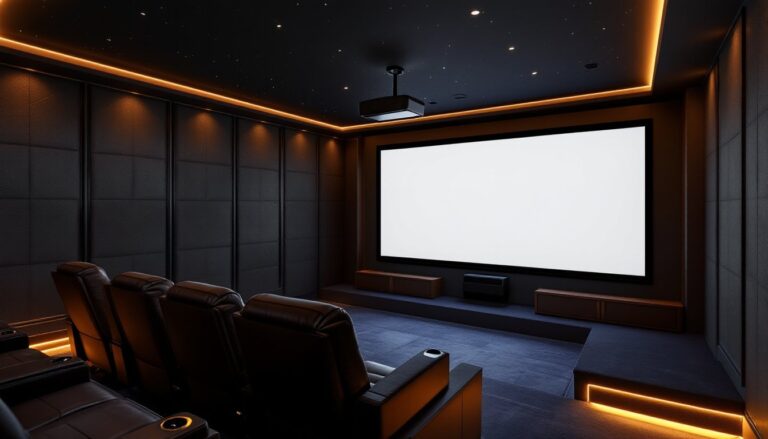
Stadium seating risers make sense if you’re adding a second row and the room has at least 16 feet of depth. A 12-inch riser height is standard and maintains sightlines without requiring excessive ceiling height. Build the riser from 2×10 or 2×12 framing (actual dimensions 1.5 × 9.25 inches or 1.5 × 11.25 inches), and ensure it’s anchored to the subfloor, recliners generate surprising lateral force. Most jurisdictions don’t require permits for non-structural risers under 30 inches, but verify locally. Contemporary home theater designs increasingly integrate multi-level seating into residential projects.
For tight spaces, space-saver loveseats (under 60 inches wide) or armless chairs (around 32 inches wide) maximize seat count. Armless designs won’t work as end seats, there’s no structural support for the recline mechanism, but they’re effective as middle units.
Material and Upholstery Options That Last
Upholstery choice affects durability, maintenance, and resale value. Leather and fabric each have trade-offs.
Top-grain leather remains the gold standard for theater seating. It’s easier to clean than fabric, resists stains from spills, and develops a patina rather than looking worn. Expect to pay a 20–40% premium over fabric equivalents. Bonded leather or polyurethane “leather match” (leather on contact surfaces, vinyl on sides and back) cuts cost but starts peeling after 3–5 years. If budget is tight, skip faux leather entirely and go with quality fabric.
Performance fabrics, polyester blends treated with stain-resistant coatings, have improved dramatically. Look for 100,000+ double-rub ratings (Martindale or Wyzenbeek test), which indicates commercial-grade durability. Many are treated with antimicrobial agents, useful if the theater doubles as a kid hangout space. Dark colors (charcoal, navy, espresso) hide wear better than light tones and don’t show dust. Publications like Architectural Digest often feature upholstery trends, but prioritize function over fashion here.
Microfiber and velvet options cater to those wanting a plusher feel. Microfiber is surprisingly durable and resists pilling, but it can trap pet hair. Velvet looks luxurious but shows wear patterns, great for low-traffic guest theaters, risky for daily use.
Cushion fill varies by manufacturer. High-resilience (HR) foam (typically 2.2–2.5 lbs/ft³ density) holds its shape longer than standard polyurethane. Some premium models add a memory foam topper (1–2 inches), which improves initial comfort but can sleep hot. If you live in a warm climate, prioritize ventilated or gel-infused foam.
Armrest and trim materials matter too. Solid wood or aluminum armrests outlast plastic, and they provide a stable surface for cup holders or trays. Cheaper models use ABS plastic, which cracks if over-tightened during assembly. Seating inspired by modern design trends balances aesthetics with material longevity.
How to Choose the Right Seating for Your Space
Start with room dimensions and door widths. Measure doorways, hallways, and staircases before ordering, most theater seats won’t fit through a standard 30-inch interior door fully assembled. Many manufacturers offer “doorway-friendly” models that ship in sections or have removable backs. If you’re dealing with a basement install and a narrow stairwell (less than 36 inches wide with turns), sectional or modular seating is your only option.
Viewer count and usage patterns shape the configuration. If you’re the only serious movie watcher in the house, a high-end single recliner beats a mediocre three-seater. For families or frequent hosts, prioritize seat count and durability over boutique features.
Screen size and viewing distance follow the 1.5× to 2.5× rule: sit 1.5 to 2.5 times the diagonal screen measurement away for optimal immersion. A 75-inch screen calls for seating 9.4 to 15.6 feet back. Position the first row at the minimum distance: if adding a second row, place it 3–4 feet behind the front row and raise it 12 inches.
Budget realistically. Expect to spend $800–$1,500 per seat for quality power recliners with standard features, $1,500–$3,000 for premium materials and advanced controls, and $3,000+ for custom or luxury models. Sales around Black Friday, Presidents Day, and July 4th often knock 15–25% off, but verify warranty terms, clearance items sometimes carry shorter coverage.
Delivery and setup aren’t DIY-friendly. Theater seating typically arrives freight, and most carriers only deliver curbside. You’ll need help moving pieces inside (expect 80–120 lbs per seat) and assembling rows. Some retailers include white-glove delivery and setup for an extra $200–$400, which is worth it if you’re installing a full sectional.
Finally, test before buying whenever possible. Showrooms let you compare recline angles, cushion firmness, and control placement. If ordering online, confirm the return policy, restocking fees of 15–25% are common, and you’ll likely cover return shipping. Integrating home upgrades like theater seating aligns well with broader home design trends focused on comfort and functionality.
Modern home theater seating is a long-term investment that directly impacts how much you’ll actually use the space. Prioritize solid construction, thoughtful features, and a configuration that fits your room’s physical constraints. Get those fundamentals right, and you’ll have a setup that holds up through years of movie marathons, game days, and binge sessions.