Table of Contents
ToggleExterior remodeling isn’t what it used to be. Gone are the days when homeowners had to choose between vinyl siding in beige or…slightly darker beige. Today’s “NexGen” exterior products combine engineered materials, energy efficiency, and real curb appeal, without the maintenance headaches that came with wood siding or single-pane windows. Whether you’re looking to boost resale value, slash energy bills, or simply update a tired façade, modern exterior upgrades deliver measurable returns. This guide breaks down what qualifies as next-generation remodeling, which upgrades deliver the biggest impact, and how to plan a project that actually gets finished on time and on budget.
Key Takeaways
- NexGen exterior remodeling uses engineered materials with tested performance specs, long warranties (25–50 years), and proper weather barriers that traditional siding cannot match.
- Fiber-cement and composite siding, triple-pane windows, and insulated doors can reduce heating and cooling costs by 15–25% annually while improving durability and lowering maintenance.
- Exterior projects typically recoup 70–85% of investment at resale, and fiber-cement siding requires carbide-tipped blades, proper flashing, and 1/8-inch expansion gaps for optimal performance.
- Modern exterior upgrades enhance curb appeal and comfort while providing weather resistance against hurricanes, freeze-thaw cycles, and moisture damage when installed with integrated drainage planes.
- Plan your NexGen project by ordering materials 8–12 weeks in advance, obtaining permits, budgeting $8–$14 per square foot for fiber-cement installation, and sequencing work with windows and doors first.
What Is NexGen Exterior Remodeling?
“NexGen” isn’t a trademarked term, think of it as shorthand for exterior products and methods that leverage modern materials science and installation techniques. This includes engineered composite siding, fiber-cement panels, triple-pane windows with low-E coatings, insulated entry doors, and advanced fastening systems that resist wind uplift and thermal expansion.
The key difference from traditional remodeling? Performance data. NexGen products come with tested R-values, impact ratings, UV resistance specs, and warranties that actually mean something (25–50 years is common). Compare that to basic vinyl siding with a 10-year limited warranty and you’ll see why contractors and homeowners alike are shifting toward these materials.
Another hallmark: integrated weather barriers. Modern installations use house wrap, flashing tape, and rainscreen principles to manage moisture behind the cladding. This isn’t just about keeping water out, it’s about letting vapor escape so your sheathing doesn’t rot in five years. If your installer isn’t talking about drainage planes and capillary breaks, you’re not getting a NexGen install.
Finally, many NexGen systems are designed for DIY-friendly installation, or at least DIY-assisted. Interlocking panels, pre-finished surfaces, and snap-together trim reduce the skill threshold. That said, working at height and handling 12-foot fiber-cement planks still requires proper staging, a second pair of hands, and respect for fall protection.
Top NexGen Exterior Upgrades to Consider
Advanced Siding Materials and Installation
Fiber-cement siding remains the gold standard for durability. Brands like James Hardie and Allura offer planks that mimic wood grain but resist rot, insects, and fire (Class A rating). Nominal 5/16-inch thickness is standard: anything thinner flexes too much. Expect 25–30-year warranties and paint that holds for 15 years without peeling.
Installation requires carbide-tipped saw blades (fiber-cement dulls steel fast) and a pneumatic siding nailer with stainless fasteners. Leave a 1/8-inch gap at butt joints for expansion, and use proper flashing above windows, most water intrusion happens at rough openings, not field joints. Hiring professional home renovation tutorials can help clarify best practices if you’re tackling this yourself.
Engineered wood composites (like LP SmartSide) offer similar aesthetics with lighter weight and easier cutting. They use zinc borate treatment to resist fungal decay, plus a proprietary overlay that sheds water. These install faster than fiber-cement and don’t require pre-painting if you choose factory-finished options.
Metal panel systems, standing seam or corrugated, are gaining traction beyond agricultural buildings. Kynar-coated steel or aluminum panels last 40+ years, shed snow beautifully, and install over furring strips for ventilated rainscreen assemblies. They’re loud in hail and require metal snips plus a sheet metal brake for custom flashing, but the longevity is hard to beat.
Energy-Efficient Windows and Doors
Triple-pane windows with argon or krypton gas fills deliver R-values around R-5 to R-7, compared to R-3 for standard double-pane units. Low-emissivity (low-E) coatings reflect infrared heat back into the room in winter and block solar gain in summer. For cold climates, spec warm-edge spacers (foam or composite instead of aluminum) to reduce condensation at the glass edge.
Installation matters as much as the window itself. Use sill pans (pre-formed or made from peel-and-stick flashing), integrate the window’s nailing fin with house wrap using flashing tape, and don’t rely on caulk alone to keep water out. The IRC requires flashing at head and jambs: inspectors will flag missing flashing.
Insulated fiberglass or steel entry doors with polyurethane foam cores hit R-values of R-6 to R-10. Look for adjustable thresholds (easier to seal against drafts) and multi-point locking systems for better security. Pre-hung units with factory-applied weatherstripping save headaches, but you’ll still need to shim, level, and properly flash the rough opening. For accurate cost planning, checking project planning guides can give a ballpark for materials and labor.
Benefits of Modern Exterior Remodeling
Energy savings top the list. Replacing single-pane windows and adding insulated siding can cut heating and cooling costs by 15–25% annually, depending on climate zone and existing insulation. That’s real money, not marketing fluff. Track your utility bills for a year post-upgrade to quantify the return.
Curb appeal and resale value come next. NAR’s Remodeling Impact Report consistently shows exterior projects, siding replacement, new entry doors, window upgrades, recoup 70–85% of cost at resale in most markets. A fresh façade signals “well-maintained” to buyers, which shortens time on market.
Lower maintenance is underrated. Fiber-cement and composite materials don’t need scraping and repainting every 5–7 years like wood does. Metal roofing outlasts asphalt shingles by decades. Quality windows won’t fog up or have sash balances fail. You’re trading upfront cost for years of not climbing a ladder with a paint scraper.
Weather resistance matters more as climate patterns shift. Impact-rated windows and doors resist hurricane-force winds and flying debris (look for ASTM E1996 certification in coastal zones). Engineered siding won’t warp in high humidity or crack in freeze-thaw cycles. Proper installation with drainage planes prevents the hidden rot that wrecks resale value.
Finally, there’s comfort. Better windows eliminate cold drafts and reduce outside noise. Insulated doors stop the “breeze under the door” problem. It’s one of those upgrades you don’t appreciate until you spend a winter in the remodeled house.
Planning Your NexGen Exterior Project
Start with an energy audit. Many utilities offer subsidized or free audits that pinpoint where you’re losing heat (or gaining it in summer). Infrared cameras reveal thermal bridges, blower door tests quantify air leakage, and the report prioritizes fixes by ROI. Don’t guess, measure.
Next, check local codes and permits. Window and door replacements usually need permits if you’re altering rough openings or doing structural work. Siding over existing cladding often doesn’t require a permit (check with your building department), but full tear-offs might trigger requirements for updated sheathing or insulation to meet current energy code. Failing to pull permits can haunt you at resale when the title company asks for proof of permitted work.
Budget realistically. As of 2026, fiber-cement siding installation (including labor) runs $8–$14 per square foot depending on region and complexity. Vinyl is cheaper ($4–$8/sq ft), metal higher ($10–$18/sq ft). Windows range from $450–$1,200 per unit installed for quality double-hungs: add 30–50% for triple-pane or custom sizes. Entry doors start around $1,500 installed for steel, $2,500+ for fiberglass with sidelites. Always get multiple quotes and verify contractors are licensed and insured. Many home renovation cost guides provide regional breakdowns to cross-check estimates.
Material lead times can stretch 8–12 weeks for custom windows or specialty siding colors. Order early, and have a staging plan, you don’t want pallets of siding sitting in the driveway through two rainstorms. Acclimate fiber-cement and engineered wood to site conditions for 48 hours before install to minimize expansion issues.
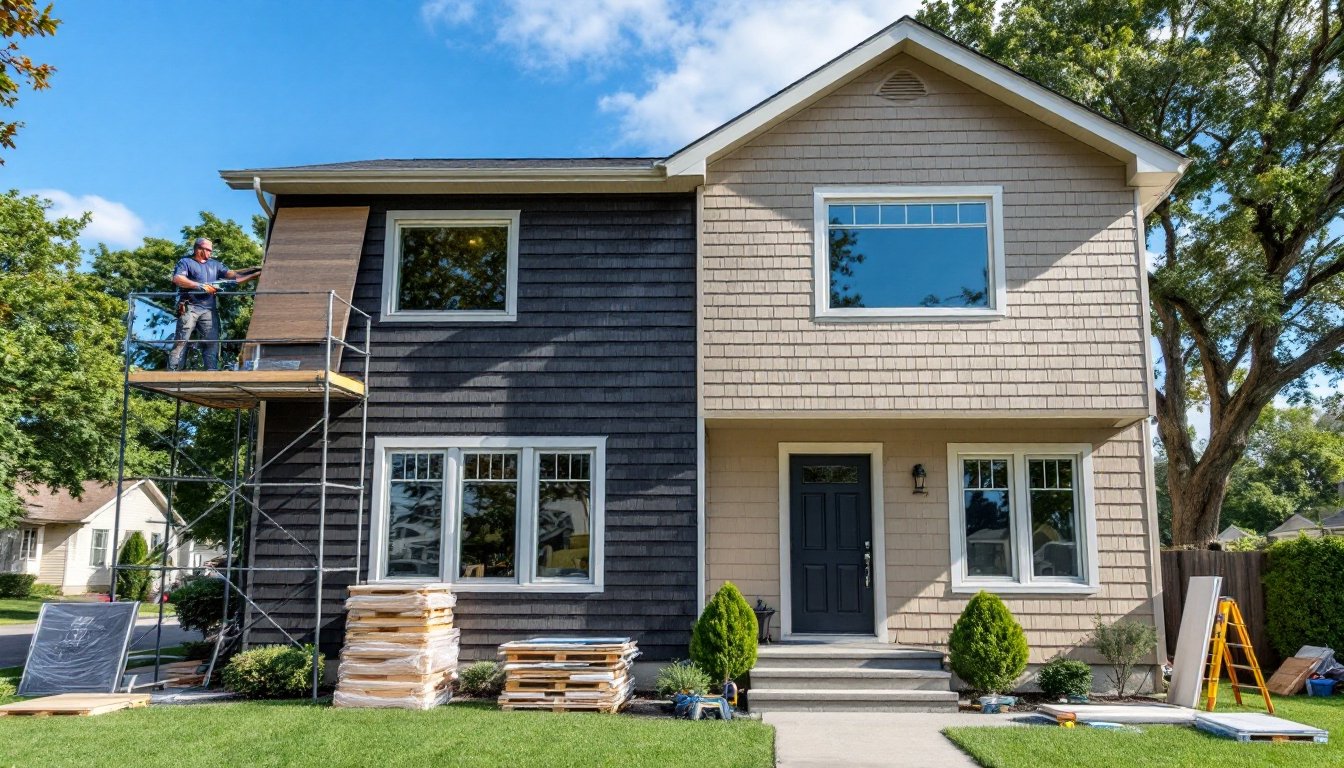
Safety and staging: Exterior work means ladders, scaffolding, or pump jacks. If your house is two stories, rent sectional scaffolding with guardrails, it’s safer and faster than constantly moving an extension ladder. Wear safety glasses (fiber-cement dust is nasty), hearing protection when cutting, and work gloves with grip. If you’re not comfortable working at height, hire it out. A fall from a second-story gable isn’t worth the savings.
Finally, sequence the work. Windows and doors first, then siding and trim. Flashing integrates in layers, and you can’t do it backward without creating leak paths. If you’re also replacing the roof, do that before siding so new step flashing ties into the roof plane correctly.
Conclusion
NexGen exterior remodeling isn’t about chasing trends, it’s about using proven materials and methods that outperform older standards in energy efficiency, durability, and ease of maintenance. Whether you’re installing fiber-cement siding yourself or hiring pros for a full window-and-door replacement, the key is planning thoroughly, respecting building science principles, and not skimping on flashing and weather barriers. Done right, these upgrades pay back in comfort, lower bills, and resale value for decades.