Table of Contents
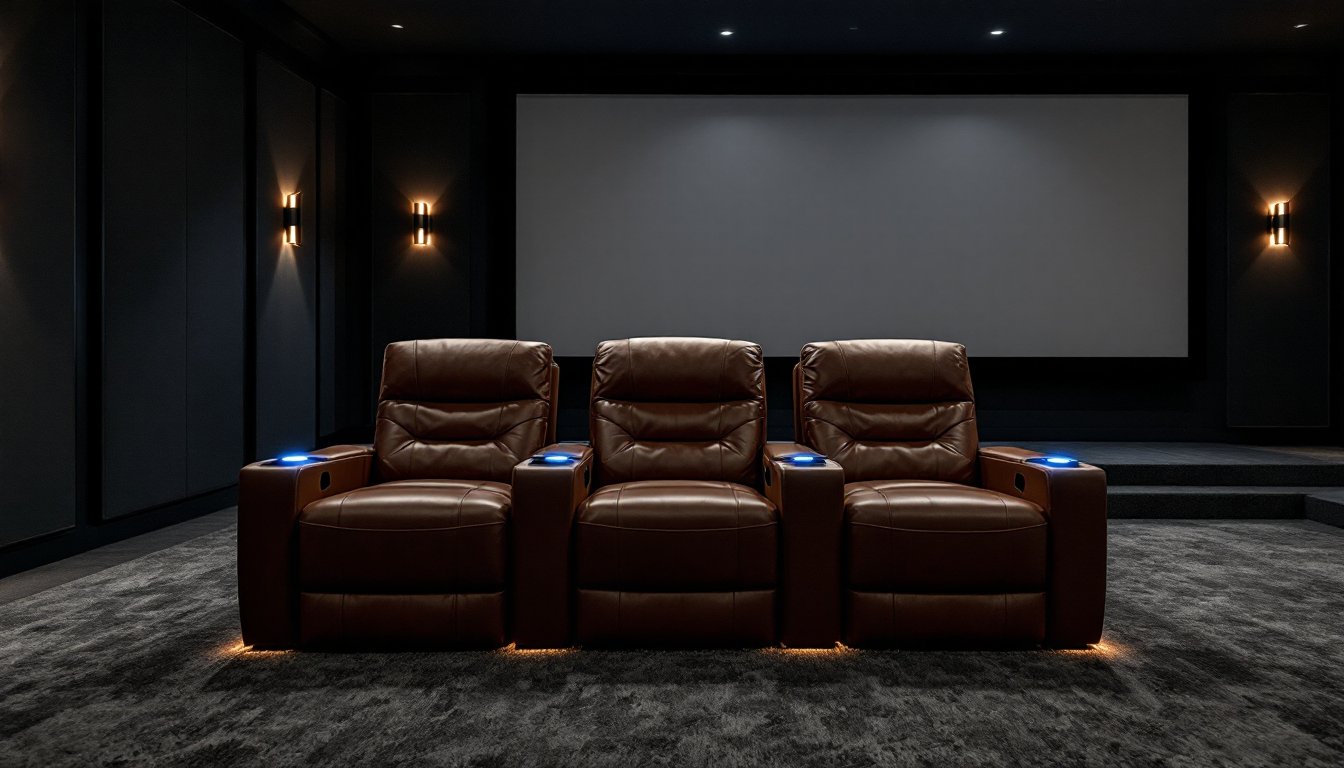
ToggleSetting up a dedicated home theater isn’t just about the screen and speakers. The seating defines the experience, whether you’re enduring two hours on a stiff couch or sinking into purpose-built theater chairs. Leather home theater chairs deliver the look, comfort, and durability that match the investment in audio and video equipment. They’re easier to clean than fabric, age better with use, and add a premium aesthetic that fabric seating struggles to match. This guide covers what makes leather the top choice, the features that separate basic recliners from true theater seating, and how to select chairs that fit your space and budget.
Key Takeaways
- Leather home theater chairs offer superior durability, easier maintenance, and premium aesthetics compared to fabric seating, resisting stains while aging gracefully over time.
- Power recline mechanisms with dual-motor systems and adjustable headrests provide optimal comfort for extended viewing sessions in a true theater experience.
- Top-grain and genuine leather are reliable investments, while bonded leather should be avoided as it typically peels and cracks within 3–5 years despite lower initial cost.
- Measure your space carefully—allocating 40–42 inches per seat and 65–72 inches of reclined depth—and consider single recliners for flexibility or row seating for a cohesive look.
- Basic weekly wiping and monthly pH-balanced cleaning, combined with semi-annual conditioning, keep leather home theater chairs supple and protected from UV damage and environmental stress.
- Cup holders should hold at least 3.5 inches wide to prevent spills, and USB charging ports rated 2.4A or higher ensure reliable device charging during long movies.
Why Leather Is the Premium Choice for Home Theater Seating
Leather outperforms fabric in durability, maintenance, and appearance retention. In a theater environment, where spills, popcorn grease, and high traffic are routine, leather wipes clean with minimal effort. Fabric absorbs stains and odors: leather resists both.
Top-grain and genuine leather develop a patina over time, improving aesthetically rather than looking worn. Bonded leather (more on that below) doesn’t age as gracefully, but even mid-grade leather handles years of use better than most upholstery fabrics.
Leather also supports better airflow than dense microfiber or polyester blends, reducing heat buildup during marathon viewing sessions. That matters when you’re reclined for three hours. The material feels cooler to the touch in summer and warms quickly in winter.
From a design perspective, leather reads as intentional. It signals that the space is purpose-built, not just a living room with a big TV. Many media room designs emphasize upholstered seating precisely because it separates the theater from everyday furniture.
Finally, leather theater chairs typically hold resale value better than fabric equivalents. If you upgrade or move, quality leather seating commands a higher secondary market price.
Key Features to Look for in Leather Home Theater Chairs
Not all theater chairs are created equal. The difference between a $400 chair and a $1,200 chair often comes down to these features.
Reclining Mechanisms and Adjustability
Power recline beats manual every time for theater seating. It’s smoother, allows micro-adjustments, and doesn’t require you to push off the floor (which disrupts viewing). Most power mechanisms run on a 110V transformer and plug into a standard outlet. Look for dual-motor systems that control the backrest and footrest independently, single-motor units force both to move in sync.
Headrest and lumbar adjustability add real comfort for viewers of different heights. Fixed headrests work if everyone using the chair is within a narrow height range: otherwise, adjustable is worth the upcharge.
Some higher-end models include zero-gravity positions or wall-hugger designs. Zero-gravity distributes weight evenly and reduces pressure points. Wall-huggers slide forward as they recline, requiring only 3–4 inches of clearance behind the chair instead of the typical 12–18 inches. That’s critical in tight rooms.
Safety tip: Power recliners have pinch points. Keep hands and feet clear of moving parts, especially with kids or pets in the room.
Built-In Cup Holders, Storage, and USB Charging
Cup holders should be deep enough (at least 3 inches) and wide enough (3.5+ inches) to hold a water bottle or pint glass without tipping. Lighted cup holders are a nice touch but not essential.
Storage consoles between seats or in armrests keep remotes, phones, and snacks accessible without cluttering side tables. Look for lined compartments, hard plastic storage will rattle.
USB charging ports are standard on most mid-range and premium chairs now. Verify they’re at least 2.4A output: anything less charges phones slowly. Some models include wireless charging pads built into the armrest.
Tray tables that swing out or fold down are useful for meals but add mechanical complexity. If you go this route, test the stability, cheap hinges wobble.
Leather Types and Quality: Genuine vs. Bonded vs. Top-Grain
Understanding leather grades prevents expensive mistakes.
Top-grain leather is the highest quality commonly available in theater seating. It’s the outer layer of the hide with the very top surface sanded down to remove imperfections, then finished with a protective coating. It’s durable, breathable, and ages well. Expect to pay $800–$2,000+ per seat for top-grain.
Genuine leather is a step down. It’s made from the layers beneath the top grain, often split and treated with pigments or finishes. It’s still real leather and performs well, but it won’t develop the same rich patina. Price range: $400–$900 per seat. It’s a solid middle ground for most home theaters.
Bonded leather is leather scraps mixed with polyurethane and applied to a fiber backing. It looks like leather initially but peels and cracks within 3–5 years, especially on high-contact areas like armrests and seat cushions. Avoid it unless budget is the only consideration and you plan to replace the chairs within a few years.
Full-grain leather (rare in theater chairs) is the entire hide with no surface alteration. It’s the most expensive and least common in this category, usually reserved for custom builds.
When shopping, ask specifically what grade the leather is. If the seller can’t or won’t specify, assume bonded. Check warranty terms: top-grain and genuine leather typically come with 5–10 year frame and upholstery warranties: bonded leather warranties rarely exceed 2 years.
Choosing the Right Configuration for Your Space
Theater seating comes in singles, loveseats, three-seat rows, and curved sectionals. Configuration choice depends on room dimensions, user count, and whether you want a cohesive row or flexible positioning.
Measure the room carefully. Allow 40–42 inches of width per seat for standard theater chairs (some models run 38 inches, others 45). Account for fully reclined depth: most chairs extend 65–72 inches from the wall when fully open. Add at least 36 inches of walkway behind the last row for safe access.
Row seating (connected chairs) looks cleaner and costs less per seat than buying singles. It also prevents gaps and shifting. The downside: if one chair’s mechanism fails, you may need to move the entire row for service. Rows of three or four work well in rooms 12 feet wide or larger.
Single recliners offer maximum flexibility. You can rearrange them, replace one without affecting others, and mix seating types (add a loveseat or couch). They’re ideal for irregularly shaped rooms or multi-use spaces.
Curved or radius configurations improve sightlines in wider rooms. They’re typically custom or semi-custom, with prices starting around $1,500 per seat. Unless your screen is over 120 inches diagonal, a straight row works fine.
Consider riser platforms if you’re installing multiple rows. A second row elevated 6–12 inches improves viewing angles and justifies the theater chair investment. Risers require basic framing (typically 2×8 or 2×10 joists on 16-inch centers) and carpeted plywood decking. If the platform is over 30 inches high, some jurisdictions require a railing per IRC code R312. Check local requirements.
Leaving space for speakers and subwoofers matters, too. Plan your layout with acoustics in mind, don’t block vents or position chairs directly over a subwoofer.
Maintenance and Care Tips for Leather Theater Seating
Leather needs maintenance, but it’s minimal compared to fabric.
Weekly: Wipe down with a dry microfiber cloth to remove dust and oils. Pay attention to armrests and headrests where skin contact is highest.
Monthly: Use a pH-balanced leather cleaner. Avoid household cleaners, which can strip protective coatings. Apply a small amount to a soft cloth (not directly on the leather), wipe gently, then buff dry. Test any new product on an inconspicuous area first.
Every 6–12 months: Apply a leather conditioner to prevent drying and cracking. This is especially important in low-humidity climates or rooms with forced-air heating. Conditioner replenishes oils and keeps the leather supple. Use sparingly, over-conditioning attracts dirt.
Spill response: Blot (don’t rub) immediately with a clean, dry cloth. For sticky residues (soda, candy), use a damp cloth with mild soap, then dry thoroughly. Avoid soaking the leather.
Sunlight and heat: Leather fades and dries out under direct sunlight or near heating vents. Position chairs away from windows or use blackout shades. Many homeowners working on interior design choices overlook how UV exposure damages upholstery over time.
Scratches and scuffs: Minor scratches often blend in after conditioning. Deeper gouges may require a leather repair kit with color-matched filler. For significant damage, consult a professional leather restoration service.
Mechanical maintenance: Vacuum under and around power recliners quarterly to prevent dust buildup in the motor and track. Check power cords for wear. Lubricate moving parts annually with silicone-based spray (not WD-40, which attracts dirt).
If you’re planning a full refresh of your space alongside new seating, exploring modern home decor ideas can help tie the theater aesthetic to the rest of your home.
PPE note: When applying cleaners or conditioners, work in a ventilated space. Some products have strong solvents.