Table of Contents
ToggleA house becomes a home when it reflects who lives there, not just the previous owner’s taste or a builder’s cost-cutting shortcuts. Remodeling isn’t about chasing trends or adding resale value (though those are nice side effects). It’s about making your space work for your routines, your family, and your idea of comfort. Whether that means knocking down a wall to open up the kitchen or just swapping out dated fixtures, the right remodeling project transforms rooms you tolerate into spaces you actually use and enjoy.
Key Takeaways
- House to home remodeling focuses on functionality and personal style rather than chasing trends, transforming spaces to match how you actually live and work.
- Before starting any remodeling project, identify your priorities, research permit requirements, and always consult a structural engineer before removing walls to avoid costly damage.
- Budget 15–20% more than your initial estimate for unexpected issues, get itemized quotes from at least three contractors, and plan for realistic timelines of 6–12 weeks for kitchen remodels and 3–6 weeks for bathrooms.
- Kitchen and bathroom upgrades deliver the highest return on investment; focus on the work triangle in kitchens and proper ventilation and waterproofing in bathrooms to prevent mold and water damage.
- Know your skill limits and hire licensed professionals for permit-required work like electrical panel upgrades, load-bearing wall removal, and HVAC installation to ensure safety and code compliance.
- Personalize your remodeled space with a cohesive color palette, layered lighting at the right temperature, and intentional design choices that reflect your daily routines rather than defaulting to generic finishes.
Why Remodeling Transforms a House Into Your Dream Home
Most homes weren’t designed for your life. They were built to meet code, fit a budget, or appeal to the broadest buyer pool. That’s why kitchens end up cramped, bathrooms lack storage, and living rooms feel disconnected from where people actually spend time.
Remodeling gives you the chance to fix those functional problems. It means adding a pantry where there wasn’t one, rerouting plumbing so the laundry room makes sense, or installing built-in shelving that fits your book collection instead of random bookcases shoved against walls.
But function isn’t the whole story. Personal touches, whether that’s reclaimed wood accent walls, custom tile work in the shower, or paint colors that aren’t builder beige, turn generic rooms into reflections of how you live. They signal that this place is yours.
Remodeling also future-proofs your home. Installing a walk-in shower now beats retrofitting one later. Adding outlets and USB ports in smart locations beats running extension cords forever. These aren’t sexy upgrades, but they’re the ones you’ll appreciate daily.
Planning Your House to Home Remodeling Project
Before you demo anything or pick out tile, get clear on scope and priorities. Walk through your home with a notebook and document what frustrates you most. Not enough counter space? Outdated flooring? Poor lighting? Rank problems by impact, not just aesthetics.
Next, research whether your project requires permits. Cosmetic work, paint, flooring, fixtures, usually doesn’t. But if you’re moving walls, adding circuits, relocating plumbing, or altering the roofline, you’ll need approval from your local building department. Skipping permits can tank resale value and create liability issues.
Check if walls are load-bearing before planning any removal. Load-bearing walls support the structure above them (joists, roof trusses, upper floors). Removing one without proper reinforcement, typically a steel or engineered lumber beam, can cause catastrophic damage. When in doubt, hire a structural engineer for a consultation. It’s a few hundred dollars that can save you tens of thousands.
Decide what you’ll tackle yourself and what needs pros. Simple swaps, vanity replacement, new light fixtures, painting, are solid DIY territory if you’re handy. Electrical panel upgrades, gas line work, structural changes, and anything involving the roof or foundation should go to licensed contractors.
Setting a Realistic Budget and Timeline
Remodeling costs vary wildly by region, material quality, and labor rates, but a useful rule of thumb is to budget 15–20% more than your initial estimate for surprises. You will find issues once walls are open, old wiring that’s not up to code, hidden water damage, framing that’s out of square.
Get itemized quotes from at least three contractors for any major work. Compare not just price but scope, timeline, and what’s included. The lowest bid often skips steps or uses subpar materials.
Timelines stretch longer than anyone wants. A kitchen remodel typically takes 6–12 weeks depending on complexity. Bathroom renovations run 3–6 weeks. Whole-home projects can drag into months. Factor in lead times for custom cabinets, countertops, and appliances, especially if you’re ordering anything that’s not in-stock commodity items.
Budget categories to account for:
- Materials: Flooring, tile, fixtures, lumber, drywall, paint
- Labor: Contractor fees, electricians, plumbers, HVAC if needed
- Permits and inspections: Varies by jurisdiction
- Contingency fund: 15–20% of total for unexpected issues
- Temporary living costs: If you’re without a kitchen or bathroom for weeks, you’ll eat out more or need alternate arrangements
Essential Remodeling Projects That Add Personality and Value
Not all remodels deliver the same return, emotionally or financially. Focus on projects that improve daily living and hold value if you sell.
Flooring upgrades make an immediate impact. Ripping out worn carpet and installing luxury vinyl plank (LVP) or engineered hardwood transforms a room. LVP runs $2–$7 per square foot installed and handles moisture better than real wood, making it ideal for kitchens, bathrooms, and basements. Engineered hardwood costs more ($6–$12 per square foot) but offers a premium look with better dimensional stability than solid hardwood.
Lighting overhauls are underrated. Swap builder-grade fixtures for purposeful lighting, task lights over work areas, ambient lighting for general illumination, accent lights for architectural features. Adding dimmer switches gives flexibility. Recessed LED cans work well in kitchens and baths: pendant lights add character over islands and dining tables.
Open floor plans remain popular, but they’re not automatic wins. Removing a wall between the kitchen and living room improves flow if the resulting space makes sense. But eliminating all separation can create noise issues and reduce usable wall space for furniture. Consider half-walls, wide archways, or pocket doors as middle-ground options.
Built-in storage beats freestanding furniture for maximizing awkward spaces. Floor-to-ceiling shelving in a home office, a mudroom bench with cubbies, or a window seat with drawers underneath all add function without eating floor space.
Kitchen and Bathroom Updates That Make the Biggest Impact
Kitchens and bathrooms drive home value more than any other rooms. They’re also where outdated design and poor function are most obvious.
In kitchens, focus on the work triangle, the relationship between the sink, stove, and refrigerator. Each leg should measure 4–9 feet for efficient movement. If your layout forces you to walk across the entire room to move between tasks, it’s worth reconfiguring.
Cabinet refacing costs a fraction of full replacement. You keep existing boxes but swap doors, drawer fronts, and hardware, then veneer or paint the frames. Expect to pay $4,000–$10,000 versus $15,000–$40,000 for new cabinets. It works if your current layout is functional and the boxes are structurally sound.
Countertop materials span a wide price range. Laminate starts around $10–$40 per square foot installed and has come a long way aesthetically. Quartz ($50–$100+ per square foot) offers durability and low maintenance with consistent patterning. Granite and marble bring natural variation but require sealing.
Bathroom remodels should prioritize function and moisture control. Proper ventilation, a fan rated for the room’s cubic footage that vents to the exterior, prevents mold and extends the life of finishes. As a baseline, use a fan rated for at least 1 CFM (cubic feet per minute) per square foot of bathroom space.
Swapping a tub for a walk-in shower with a curbless entry improves accessibility and opens up small bathrooms visually. Use waterproofing membrane (like Schluter or RedGard) behind all tile in wet areas, this is non-negotiable. Skipping it invites water intrusion and rot.
Floating vanities create a modern look and make small bathrooms feel larger. Pair them with wall-mounted faucets to free up counter space. Ensure backing is installed in the wall framing during construction to support the weight, ¾-inch plywood spanning at least two studs works well.
DIY vs. Professional Help: When to Hire Contractors
DIY saves money, but it’s not always the right call. Know your skill level honestly, and factor in the cost of tools you’ll need to buy or rent.
Safe DIY projects for intermediate skill levels:
- Painting walls and trim
- Installing laminate or LVP flooring
- Replacing light fixtures (on existing circuits)
- Swapping out faucets and sinks
- Installing backsplash tile
- Building simple built-ins or shelving
- Replacing cabinet hardware and drawer slides
Hire professionals for:
- Any work requiring permits (electrical panel upgrades, structural changes, gas line modifications)
- Removing or altering load-bearing walls
- HVAC installation or ductwork changes
- Roof work beyond simple shingle replacement
- Foundation or structural repairs
- Complex tile work (large-format tile, intricate patterns)
- Spray finishing cabinets (DIY results rarely match pro booth finishes)
Electrical work falls into a gray area. Replacing a light switch or outlet is straightforward if you’re comfortable killing power at the breaker and verifying it’s off with a non-contact voltage tester. But running new circuits, upgrading panels, or working with 240V lines (for ranges, dryers, EV chargers) should go to a licensed electrician. The National Electrical Code (NEC) sets standards, but local amendments vary.
Plumbing is similar. Swapping a faucet or installing a new toilet is manageable. Rerouting drain lines, working with cast iron stacks, or anything involving sewer connections needs a plumber. Many budget-friendly remodeling projects start as DIY and end with emergency contractor calls when things go sideways.
If you’re hiring, vet contractors carefully. Check licenses, insurance, and references. Ask to see photos of completed projects similar to yours. Get everything in writing, scope, timeline, payment schedule, and who’s responsible for cleanup and debris removal. Never pay the full amount upfront: a typical schedule is 10% deposit, 40% at midpoint, 50% upon completion.
Design Tips to Personalize Your Remodeled Spaces
Design choices make the difference between a generic remodel and one that feels distinctly yours. Start with a cohesive color palette, three to five colors max across a room or open-concept area. Use one dominant neutral, one or two accent colors, and pops of contrast sparingly.
Texture adds depth without visual clutter. Mix smooth (painted drywall, polished counters) with rough (exposed brick, textured tile) and soft (area rugs, upholstered furniture). A room with all smooth surfaces feels sterile: too much texture overwhelms.
Incorporate life and style elements that reflect how you actually use the space. If you cook daily, prioritize a professional-grade range and ample prep space over a decorative range hood you’ll never use. If you entertain, plan for open sightlines and seating that encourages conversation.
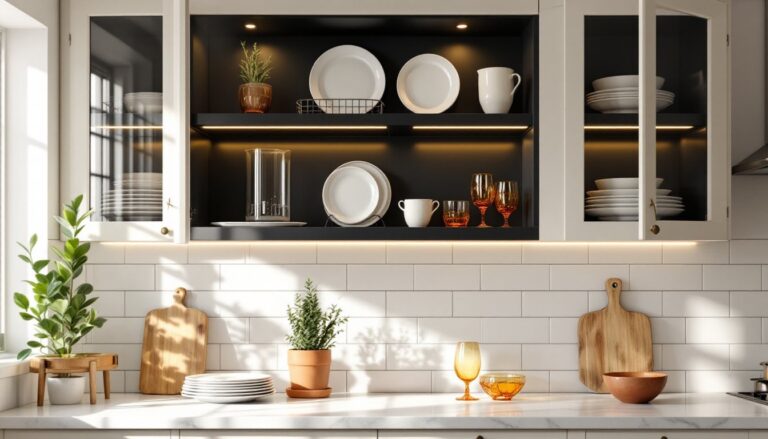
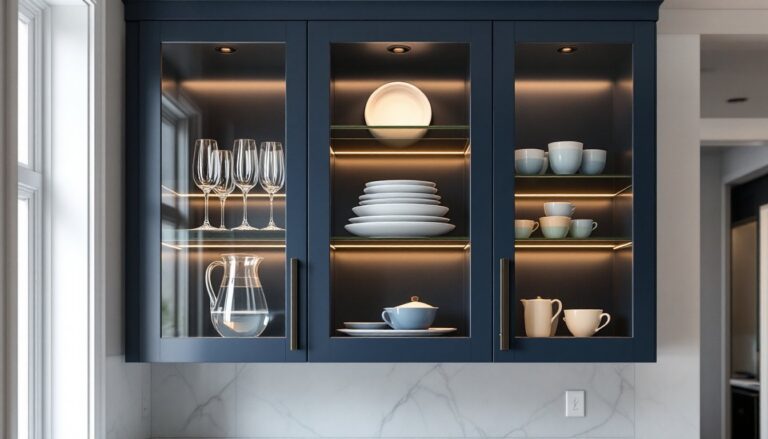
Personal collections, whether that’s vintage tools, family photos, or travel souvenirs, should have dedicated display space rather than competing for attention. Built-in shelving with picture lights, floating shelves in a gallery wall arrangement, or glass-front cabinets all work.
Lighting temperature matters. Warm white (2700K–3000K) suits living areas and bedrooms. Bright white or daylight (4000K–5000K) works better in kitchens, baths, and workshops where task visibility is key. Mixing temperatures in adjacent rooms creates jarring transitions.
Don’t default to matchy-matchy everything. Mixing metal finishes, matte black faucets with brushed nickel cabinet pulls, for example, adds visual interest as long as you stick to two, maybe three finishes max per space. Creating thoughtful design choices elevates a remodel from functional to memorable.
Window treatments should balance light control, privacy, and aesthetics. Cellular shades provide insulation and a clean look. Wood blinds add warmth. For spaces where you want softness, linen or cotton curtains hung from ceiling height make rooms feel taller.
Finally, leave some decisions until you’ve lived in the space post-remodel. You won’t know exactly where you need hooks, what size rug actually fits, or whether you want open shelving until you’re using the room daily. Build in flexibility rather than locking every detail down upfront.
Remodeling transforms houses into homes not through expensive materials or trendy finishes, but through intentional choices that align with how people live. The best projects solve real problems, reflect personal style, and improve daily routines, whether that’s a five-figure kitchen overhaul or a weekend paint job.